Kimono photography
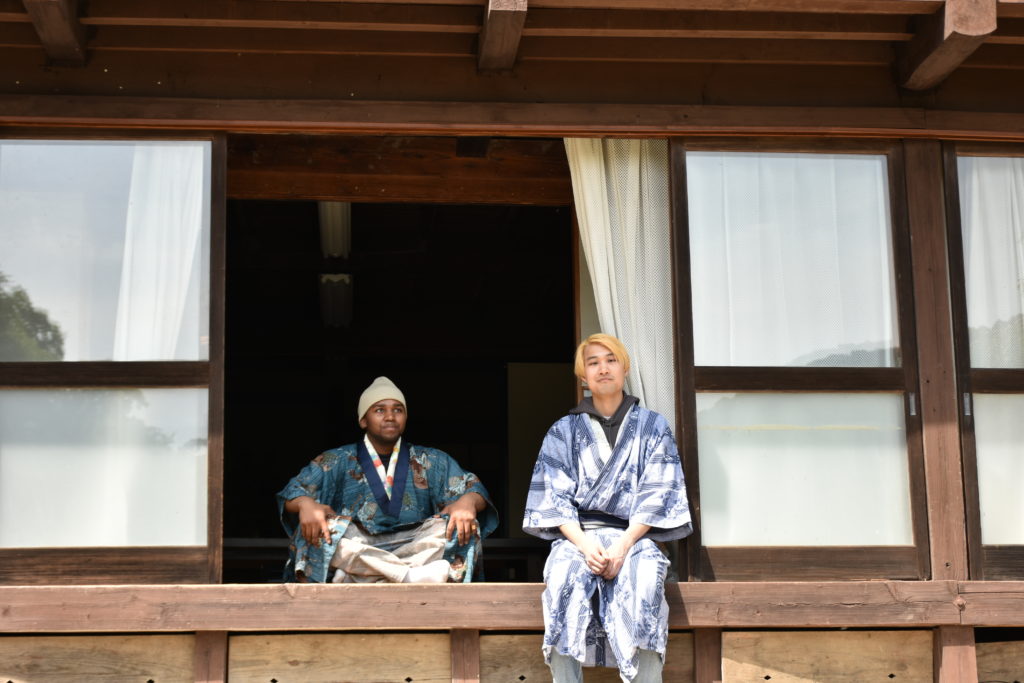
The kimono is a traditional Japanese garment with a long history of over 1,000 years. In ancient Japan, people did not wear Western-style clothes like we do today. Everyone wore clothing similar to the kimono. The kimono has a very simple design — it is made of straight pieces of fabric wrapped around the body and secured with a sash called an obi.It is said that the origin of the kimono dates back to around 710–794, when Japanese clothing was influenced by Chinese styles. During the period from 794 to 1185, Japan developed its own unique kimono designs. Court nobles carefully selected colors according to the seasons and wore multiple layers of fabric to express elegance and beauty.From the Kamakura through the Muromachi periods, the culture of the samurai became prominent, and the kimono was worn during battles and formal events. Later, in the Edo period (1603–1868), the culture of townspeople flourished, and the kimono became an essential part of everyday life for the common people. During this time, dyeing and weaving techniques advanced, leading to the creation of a wide variety of beautiful patterns and designs.In the Meiji era, Western culture entered Japan, and people gradually began wearing Western-style clothing. However, even today, the tradition of wearing kimono remains strong for special occasions such as Coming of Age ceremonies, weddings, graduations, and tea ceremonies. The kimono continues to be highly regarded both in Japan and around the world as a symbol of Japanese beauty and cultural heritage.This kimono experience takes place in a 150-year-old traditional Japanese house (kominka). Although it is located in the countryside, it is only about one hour from Tokyo, making it a peaceful and nature-rich retreat that’s also very accessible. The experience is completely private, so you won't encounter any other guests. You can enjoy a quiet, intimate moment with your family or loved ones, without any interruptions — a truly special and memorable time.
AIZOME

Aizome (indigo dyeing) is a traditional Japanese natural dyeing technique that has been passed down for centuries. The dye is made by fermenting the leaves of the indigo plant, and by repeatedly dyeing the fabric, a beautiful deep blue color is created. This color is also called "Japan Blue" and has long been cherished in Japanese daily life. Besides its aesthetic beauty, indigo dyeing is said to have insect-repellent and antibacterial properties.This indigo dyeing experience takes place in a 150-year-old traditional Japanese house (kominka). Although located in a quiet rural area, it is conveniently accessible—just about one hour by train from Tokyo. Surrounded by nature, it offers a peaceful and relaxing environment for a special time.The experience lasts a full day, allowing you to deeply engage in the process. In addition, you can create works using rare wild plants that are normally not used for dyeing. Besides indigo dyeing, you can also casually enjoy dyeing with madder root (akane), which produces a beautiful red color.After the experience, you can stay overnight at the nearby RYOKAN where you can relax and create lasting travel memories.